

ISO 17712 & C-TPAT Compliance: The 2026 Field Guide for Shippers and Logistics Managers
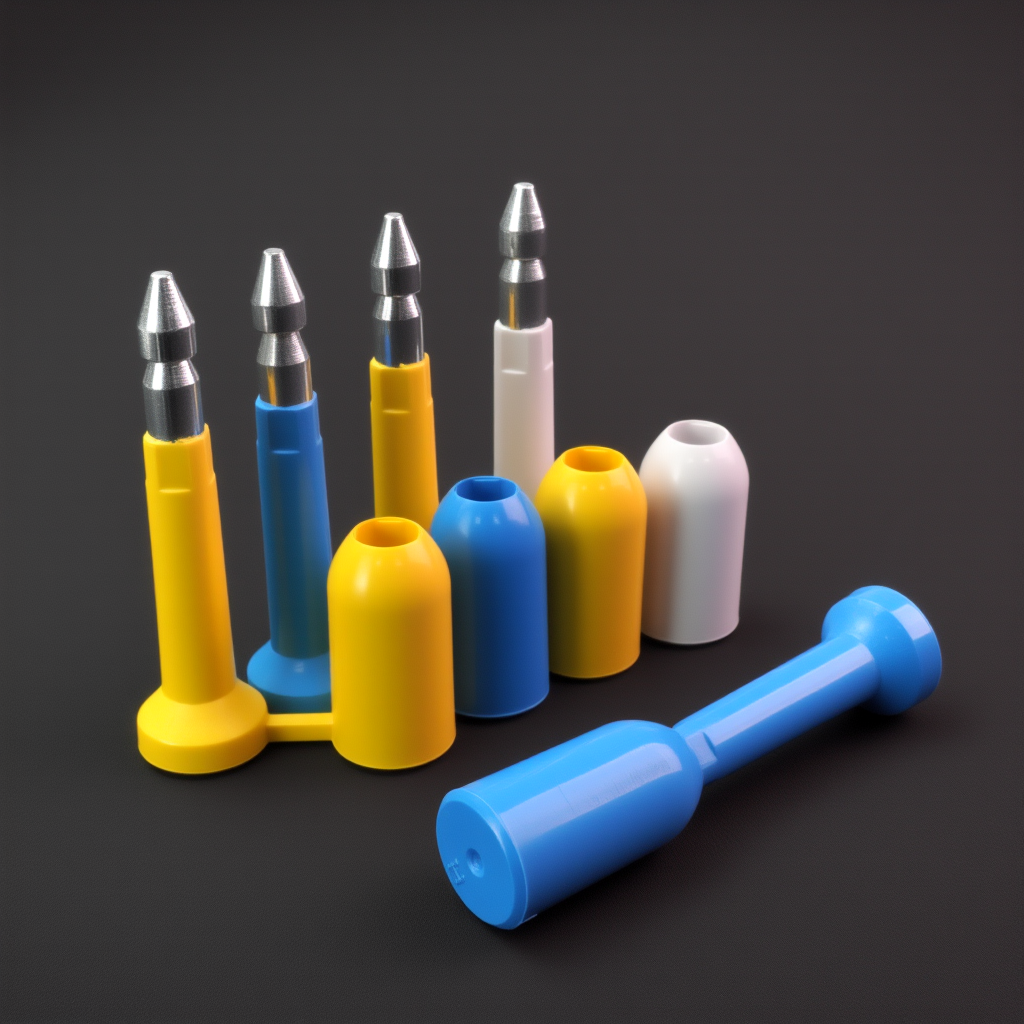
Your shipment clears the port of Los Angeles without a hitch. Three weeks later, a customs agent in Rotterdam flags the container. The bolt seal on the door is the right brand, the right color—but it carries no verifiable ISO 17712 classification marking. Your cargo sits in a bonded warehouse for four days while your team scrambles for documentation.
That scenario plays out more often than most freight managers like to admit. The rules around security seals—who requires what, which seal qualifies where, and how to prove compliance at an audit—have never been more scrutinized than they are heading into 2026. Trade enforcement agencies on both sides of the Atlantic are tightening their documentation requirements, and programs like C-TPAT and AEO are quietly raising the bar for seal verification procedures.
This guide cuts through the confusion. Whether you’re managing full container loads across the Pacific or routing intermodal shipments through EU ports, here’s what you actually need to know.
Have questions about seal compliance for a specific trade lane or cargo type? Contact our logistics security team for guidance: 문의하기
What ISO 17712 Is—and What It Isn’t
ISO 17712 is an international standard published by the International Organization for Standardization that defines the physical performance requirements for freight container seals. The current operative version is ISO 17712:2013, which remains the benchmark referenced by CBP, C-TPAT, and most national customs authorities. An updated version has been in review cycles, and shippers should monitor ISO bulletins for any published revisions in late 2026. The standard does one specific thing well: it classifies seals by their ability to resist unauthorized removal and physical attack. It does not certify individual seal units—it certifies manufacturing and design. A seal that bears an ISO 17712 marking means the product design and production process have been tested and verified by an accredited third-party laboratory.The Three Classifications You Need to Know
ISO 17712 organizes security seals into three performance tiers: H — High Security The most demanding classification. A seal rated “H” must withstand attacks from bolt cutters, hacksaws, and mechanical tools for a minimum period defined in the test protocol. Under C-TPAT requirements, only H-rated seals are acceptable for FCL (Full Container Load) shipments. Bolt seals and certain cable seals fall into this category when tested and certified. I — Indicative These seals provide tamper evidence—they show that interference occurred—but offer no meaningful resistance to removal. Plastic seals, pull-tight cable seals, and meter seals typically fall here. They’re appropriate for LCL cargo, utility metering, bag sealing, and any application where the goal is detection rather than prevention. S — Security A middle tier that provides more physical resistance than indicative seals but doesn’t meet the full H threshold. Some wire and cable seals occupy this category depending on their diameter and construction. Understanding which tier applies to your shipment isn’t optional. Getting it wrong has real costs: detentions, customs re-examinations, C-TPAT audit findings, and in some cases, loss of trusted trader status.C-TPAT: What the Program Actually Requires from Your Seals
The Customs-Trade Partnership Against Terrorism (C-TPAT) is a voluntary supply chain security program administered by U.S. Customs and Border Protection. “Voluntary” is somewhat misleading—for companies that rely on expedited clearance and reduced inspection rates at U.S. ports, participation is effectively a business necessity. The program’s security criteria include a dedicated section on conveyance and container security, which translates directly into seal requirements. For full container loads (FCL) moving to the United States, C-TPAT mandates the use of ISO 17712 H-rated seals. The program specifies that seals must be:- Manufactured to ISO 17712 High Security (H) classification
- Applied by the cargo owner or a trusted agent at the point of stuffing
- Recorded with unique serial numbers in shipping documentation
- Inspected before departure and at each transfer point
The AEO Parallel in Europe
For shipments entering EU member states, the Authorised Economic Operator (AEO) framework mirrors many of the same expectations. AEO-certified companies are expected to use seals that meet equivalent standards and maintain documented procedures for seal custody and verification. While the EU doesn’t mandate C-TPAT membership, customs authorities increasingly recognize each other’s programs under mutual recognition agreements—meaning your C-TPAT procedures can support your AEO standing, and vice versa.Matching the Right Seal to the Right Application
One of the most common compliance errors shippers make is applying indicative-class seals to situations that require high-security protection, or over-specifying high-security hardware for applications where it adds cost without adding value. Here’s a practical breakdown by use case.Full Container Load (FCL) Shipping
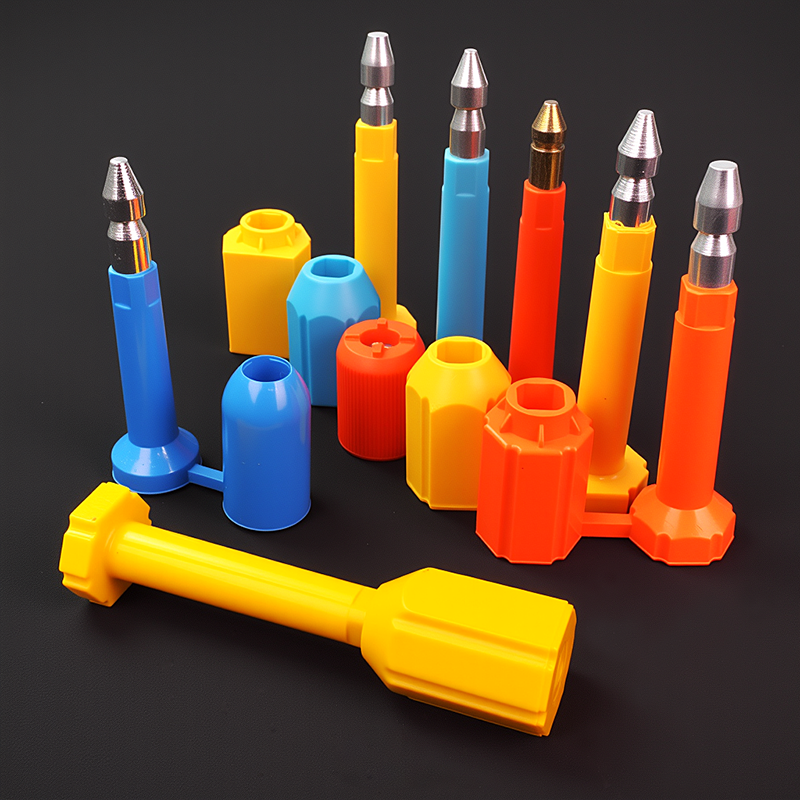
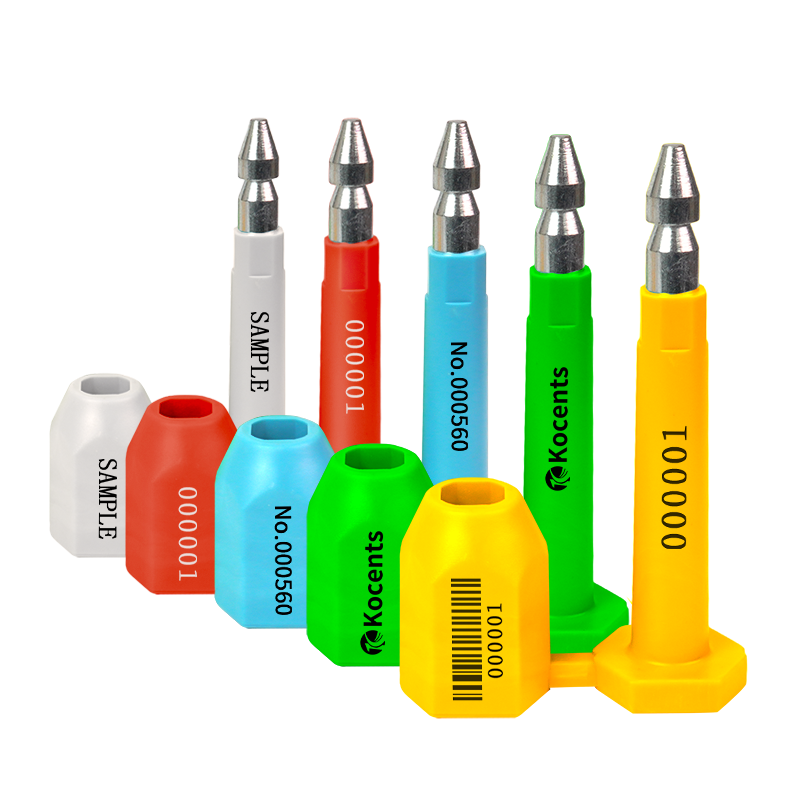
Required: ISO 17712 H-rated seal Best fit: 볼트 씰 — The standard workhorse of international container shipping. A properly certified bolt seal with laser-engraved serial numbers satisfies C-TPAT, CBP, and most port authority requirements. Look for the “H” marking and a third-party test certificate. For operations that need digital verification at scale, RFID Bolt Seals (passive UHF, 860–960 MHz) add scan-on-arrival capability without batteries—the reader’s RF energy powers the chip entirely.Rail and Intermodal Shipments
Best fit: 금속 스트랩 씰 — Fixed-length metal strap seals are the standard in rail cargo, truck trailers, and intermodal containers where the hasp geometry differs from standard ISO corner fittings. They meet ISO 17712 indicative requirements and provide reliable tamper evidence across temperature extremes that would degrade plastic alternatives.LCL and Consolidated Cargo
Best fit: 케이블 씰 — Adjustable-length cable seals (minimum 1.5 mm aircraft-grade steel cable) work well for palletized LCL cargo, sealed bags, and cargo nets where bolt-seal geometry isn’t practical. ISO 17712 S-rated cable seals are widely accepted for LCL, though some carriers now require H-rated cable for high-value consolidated loads.Utility Metering (Electric, Gas, Water)
Best fit: 미터 씰 — Electric and gas utilities operate under entirely separate regulatory frameworks from cargo seals. Meter seals are typically tested to national or regional anti-tampering standards rather than ISO 17712 directly. That said, the indicative-class logic applies: the goal is detection and deterrence, and barcode or QR-encoded meter seals support remote audit trails without requiring a field visit for every inspection.Bag, Drum, and Pharmaceutical Sealing
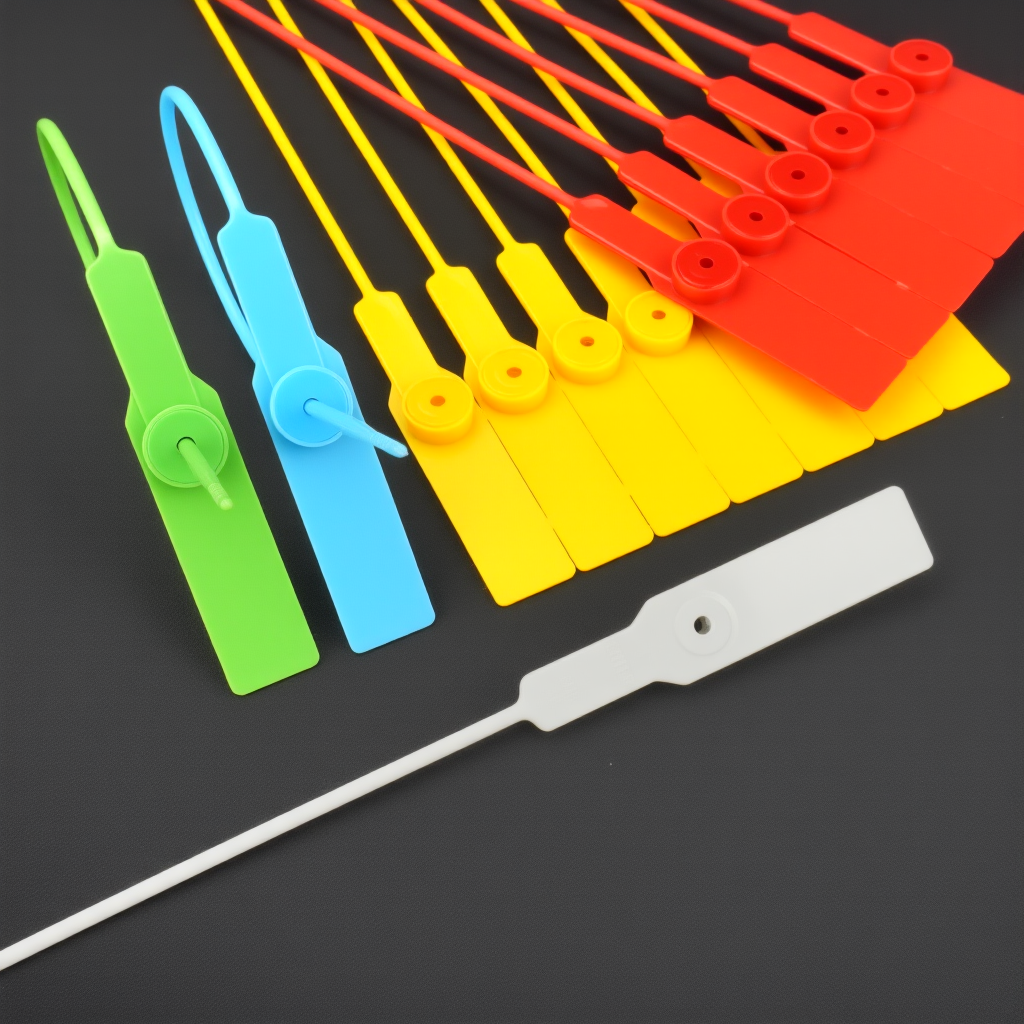
Best fit: 플라스틱 씰 (pull-tight, tamper-evident) — Color-coded plastic seals with sequential serial numbers are the industry standard for bulk bags, pharmaceutical containers, mail sacks, and cash-in-transit bags. They’re ISO 17712 I-rated, which is the appropriate classification for applications where a visible tamper indicator is the primary requirement.High-Value or Reusable Container Applications
Best fit: 자물쇠 봉인 — A padlock seal bridges the gap between a disposable bolt seal and a permanent lock. It can be opened with a key, making it appropriate for containers that need to be accessed repeatedly during transit (for example, refrigerated units requiring temperature checks). High-security padlock seals with unique key profiles and tamper-evident bodies can meet or approach H-rated standards depending on construction.Sensitive Cargo Requiring Real-Time Chain of Custody
Best fit: RFID 씰 or Container Lock Seal with GPS — For high-value electronics, pharmaceuticals, or defense-adjacent cargo, passive RFID seals enable automatic scan events at each reader gate without manual logging. Container lock seals with integrated GPS trackers go further, providing real-time location data alongside tamper detection. Note: RFID seals are passive devices—they carry no battery and generate no signal on their own. They respond only when interrogated by a reader, which makes them compliant with IATA electromagnetic interference standards.What to Look for on a Compliant Seal
Purchasing seals from any supplier and assuming compliance is one of the most expensive mistakes in logistics procurement. Here’s what to verify before your next order. 1. The ISO 17712 marking on the seal itself A compliant seal should carry the classification marking (“H”, “S”, or “I”) and the ISO 17712 designation either laser-engraved or permanently stamped into the body. Printed labels that can be peeled or defaced don’t qualify. 2. Third-party test certification Ask your supplier for the original test report from an accredited laboratory. ISO 17712 requires testing by an independent body—manufacturer self-declaration is not sufficient for C-TPAT purposes. 3. Unique, sequential serial numbers Every seal should carry a unique identifier that links it to a specific shipment in your records. Many buyers opt for custom prefix coding (company code + sequential number) to prevent cross-contamination of seal records between clients or SKUs. 4. Lot traceability Reputable manufacturers produce seals in documented lots with batch records. If a seal is later found defective or tampered with in production, lot traceability allows rapid identification and recall of affected inventory. 5. Material specification For H-rated bolt seals, the pin and body should be hardened steel. For cable seals, verify the cable construction (diameter, strand count, jacket material). For plastic seals, UV resistance and temperature range matter for outdoor or cold-chain applications.The Seal Verification Procedure: Your Audit Lifeline
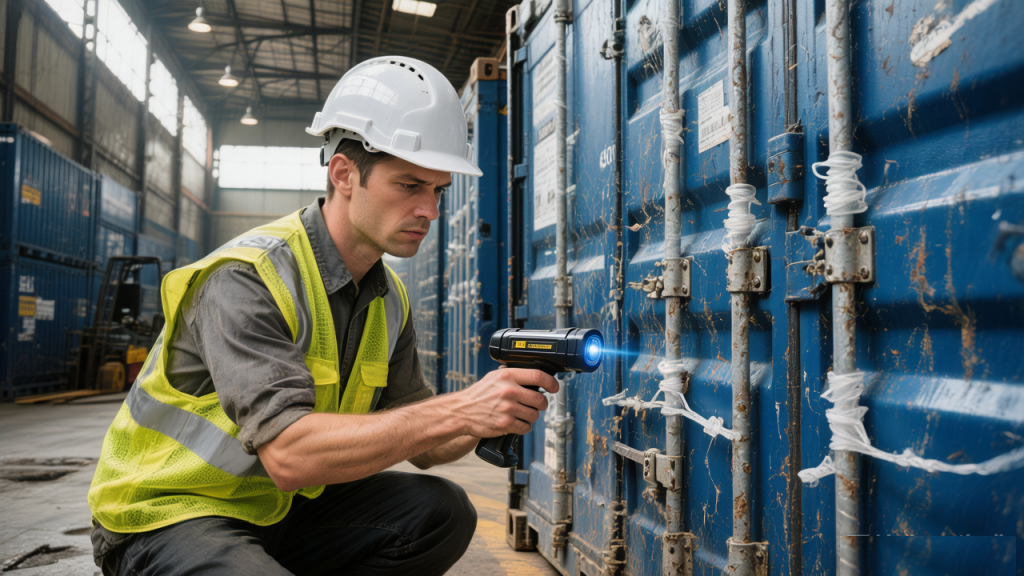
Having the right seal is step one. Documenting that it was applied correctly and verified at each handoff is what actually protects you in an audit. A defensible seal verification procedure covers four stages:- Pre-departure: Shipper or designated agent applies the seal after container is stuffed and inspected. Serial number is recorded in the booking confirmation and bill of lading.
- Departure gate: Seal number is verified against documentation before the container leaves the facility.
- Port of lading: Carrier confirms seal integrity before loading. Any discrepancy triggers a deviation report.
- Port of discharge: Consignee or customs agent inspects the seal against the documented number before accepting the load.
FAQ
Q: Does ISO 17712 expire? Do I need to recertify every year? The ISO 17712 standard itself is reviewed on regular ISO maintenance cycles (typically every five years). Certification of a specific seal product model does not automatically expire, but if the standard is revised, manufacturers are expected to re-test against the new requirements. Always confirm that your supplier’s test certificate references the current standard version. Q: Can I use a plastic seal on an FCL container for C-TPAT purposes? No. Plastic seals are ISO 17712 I-rated (indicative) and are explicitly not acceptable as the primary seal on FCL shipments under C-TPAT. They can be used as secondary seals or for internal documentation purposes. Q: Does the padlock seal meet C-TPAT’s H-rating requirement? It depends on the specific product. Some padlock seals are engineered and tested to H-rated standards—but you need the test certificate to confirm it. Don’t assume based on physical appearance. Q: Our carrier applies the seal, not us. Are we still responsible? Under C-TPAT, the cargo owner retains compliance responsibility. If your carrier applies non-compliant seals, that risk flows upstream to you. Specify seal requirements in your carrier contracts and request documentation. Q: Do RFID seals need any special regulatory approval for international shipping? Passive UHF RFID seals operating in the 860–960 MHz band do not require battery certification or IATA dangerous goods declarations. They are not active transmitters and pose no electromagnetic compliance issues under standard international shipping regulations. Q: What if a seal is damaged in transit but doesn’t appear tampered with? Document it immediately. A damaged-but-not-tampered seal still constitutes a chain-of-custody event. File a deviation report, photograph both the seal and the damaged area, and notify the next party in the chain. Failure to document creates ambiguity during any subsequent investigation.Getting Your Seal Program Audit-Ready in 2026
The trend line is clear: customs agencies worldwide are moving toward digital verification, and programs like C-TPAT are incorporating more data-driven audit methods. A seal program built around documented procedures, traceable serial numbers, and—for higher-risk lanes—RFID-readable hardware puts you ahead of that curve. The investment in compliant seals is modest relative to the cost of a single detention event, let alone an audit finding that affects your trusted trader status. Explore our full range of ISO 17712-certified security seals—from standard bolt seals and cable seals to RFID-enabled solutions and padlock seals designed for reusable container applications: [Link: /products/security-seals/] Check out our related guides:- How to Choose the Right Security Seal for Your Shipping Containers → 컨테이너 씰
Have questions about seal compliance for a specific trade lane or cargo type? Contact our logistics security team for guidance: 문의하기
Written by: Kocents Engineering Team
Updated: May 2026
Reviewed by: Kocents Quality Assurance
Kocents is an ISO 17712-certified security seal manufacturer specializing in bolt seals, cable seals, plastic seals, RFID seals, padlock seals, meter seals, metal strap seals, and container lock seals for global logistics and supply chain security.
Standards & References: ISO 17712:2013 (High Security Seal Classification), C-TPAT Minimum Security Criteria for Container Sealing, AEO Supply Chain Security Guidelines, TAPA FSR Physical Security Requirements.