
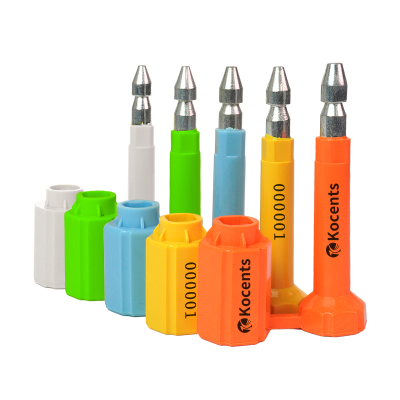
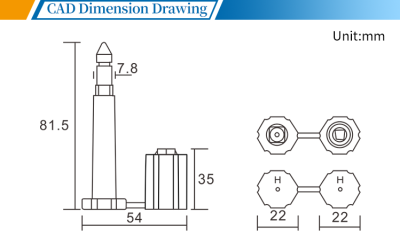
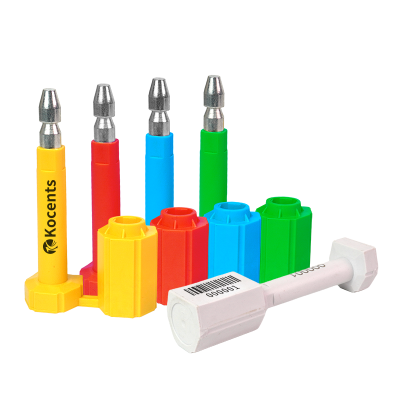
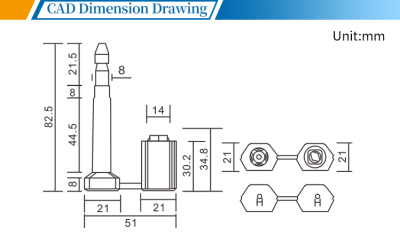






KOCENTS — ISO 17712 Security Seals Manufacturer
高い セキュリティシール、
カスタマイズをサポート。
いたずら防止オイルシール
セキュリティ重視
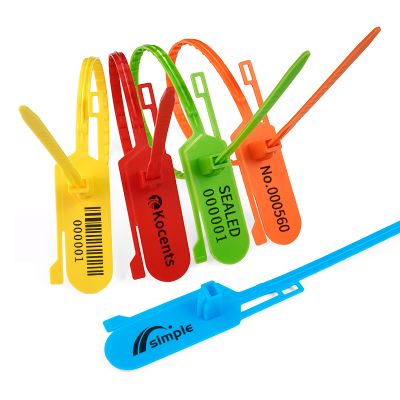
KOCENTSの盗難防止オイルシールは、壊れにくいポリマー合金を採用しています。
メーターシール
水道・電気メーターに必須のいたずら防止製品
特集 製品紹介
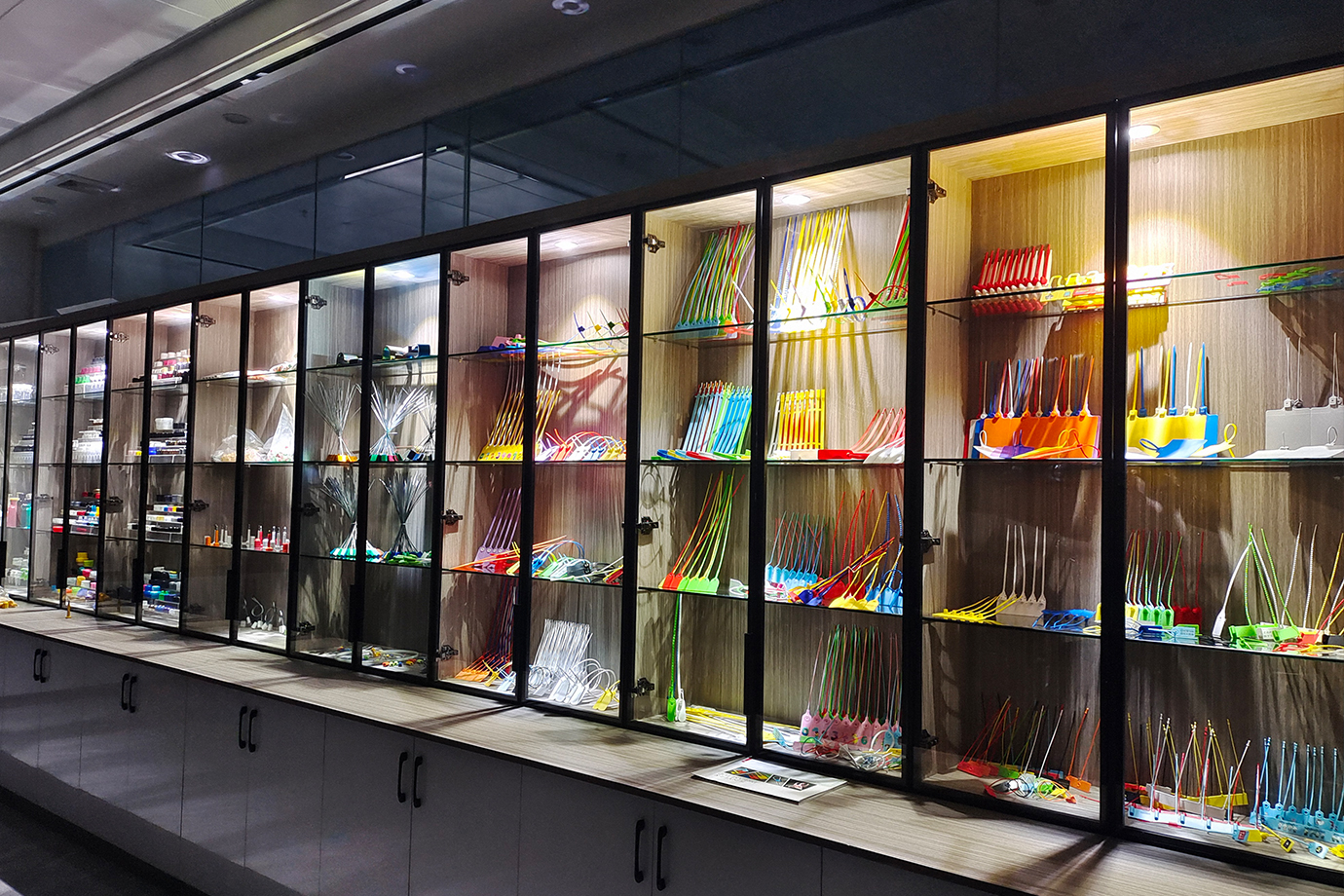
弊社は各種シールの製造を専門としております。ホームページに掲載している製品は一部です。
プロフェッショナル・サービス・チーム より良い経験
私たちは単なるメーカーではなく、お客様にカスタマイズされた、最も正確で効率的な製品ソリューションを提供しています。
信頼できる品質
当社は、さまざまな産業で使用される製品の信頼性と安全性を確保するため、厳格な製造基準を遵守しています。品質へのこだわりは、世界的に高い評価を得ています。
カスタムデザイン
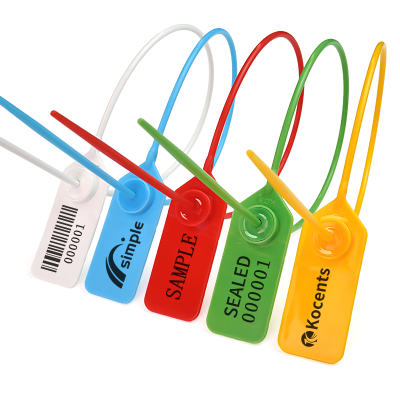
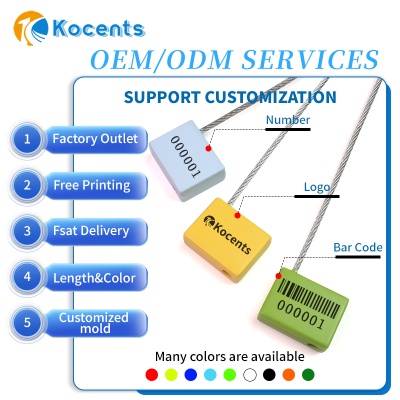
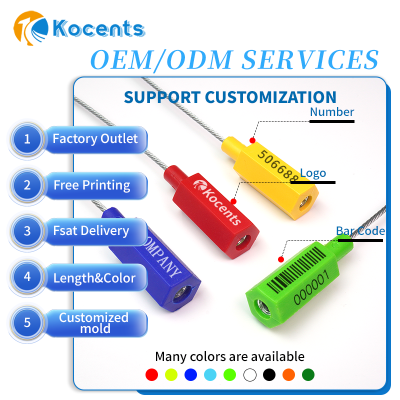
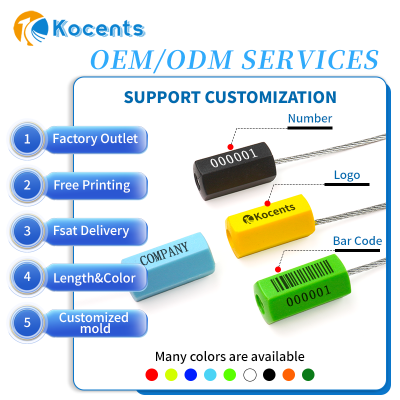
私達はあなたの条件に従ってロゴ、テキストまたは通し番号をカスタマイズし、より適用範囲が広い選択を顧客に与え、完全なテクニカルサポートを提供してもいいです。
フルサポート
最初のご相談から、製品印刷のカスタマイズ、使用プロセスまで、包括的な技術サポートを提供します。経験豊富なチームが常時待機しており、より便利で迅速な使用体験をお約束します。
選ぶ理由 コセンツ
我々は、より高度な生産設備を持っている、我々はより専門的な技術チームとサービスチームを持っている、そしてもっと重要なのは、我々はより高品質の製品を持っている。
信頼性:
当社のケーブルシールの耐久性と強度を信頼して、お客様の商品に最高レベルのセキュリティを提供してください。
プロフェッショナリズム:
品質と信頼の代名詞であるシールで、ブランドのイメージを高めましょう。
コンプライアンス:
国際的なセキュリティ基準を満たし、それを上回るシールで、安心をお届けします。
お客様の声 について語る コセンツ
Kocentsのシーリング・ソリューションには、いつも感心させられます。プラスチック・シール、ケーブル・シール、ボルト・シール、メーター・シールは、ロジスティクスとエネルギー・プロジェクトにおいて、耐久性と信頼性において私たちの期待を超えています。改ざん防止設計は重要な用途に安心感を与え、耐腐食性素材は過酷な環境にも難なく耐えます。
Kocentsを真に際立たせているのは、顧客中心のアプローチです。迅速な注文処理から積極的な技術サポートまで、同社のチームはシームレスなサービスを提供しています。48時間以内に、当社独自のニーズに合わせてケーブルシールの長さをカスタマイズしてくれました!ISO認定の品質、競争力のある価格設定、24時間365日の対応の組み合わせにより、セキュリティ・シーリング・ソリューションのベスト・パートナーとなっています。卓越した製品とパートナーシップに基づくサービスの両方を重視する人に強くお勧めします!
私たちはあなたの信頼です 製造パートナー
この分野での専門家の才能と、良い経験に頼って、我々は偉大な成果を取得し、最高のメーカーの一つとして関係しているTaiwan:
プリセールスサービス
お客様のご要望をお伺いし、確認した上で、カスタマイズされたソリューションを提供します。お客様のためにレンダリングやビデオを作成することができます。工場見学も大歓迎です。
アフターサービス
24時間オンラインサービスを提供しています。ご不明な点がございましたら、いつでもご連絡ください。私達はあなたを助け、あなたのプロダクトの安全を保障するために全力を尽くします。
最新 ニュース&活用事例
シール業界のダイナミクスを理解することで、シール製品の応用分野に関する記事をご覧いただけます。
How to Audit Your Security Seal Program Before Peak Season 2026: A Warehouse and Fleet Operations Checklist
Freight Fraud 2026: How Identity Theft and Facility Targeting Are Reshaping Seal Programs for Peak Season
Plastic Seal vs Padlock Seal: A 2026 Comparison for E-Commerce, Logistics, and Yard Operations
Bolt Seals Buying Guide 2026: How to Choose ISO 17712 High Security Seals for Container Shipping
Hazmat Transport Security Seals: A 2026 Application Guide for Chemical, Petrochemical, and Fuel Logistics
Practical 2026 application guide for hazmat transport security seals. DOT, ADR, IMDG, IATA compliance. Seal-type selection for tankers, ISO tanks, railcars, FIBCs, drums.
RFID Seal vs Cable Seal: A 2026 Comparison for Cargo Tracking and Tamper Evidence
Compare RFID seals vs cable seals for 2026 cargo security. Tamper evidence, verification speed, ISO 17712 classification, infrastructure, and total cost of ownership.
Frequently Asked Questions
Quick answers on security seal types, ISO 17712 compliance, and supply chain selection.
What is a security seal and how does it protect cargo?
A security seal is a tamper-evident device applied to containers, drums, valves, meters, and bags to deter theft and show clear evidence of unauthorized access. Unlike a padlock, a security seal is engineered to break or visibly deform when removed, creating an audit trail that shippers, customs officers, and insurers rely on to verify chain-of-custody integrity.
What is the difference between a bolt seal and a cable seal?
The difference comes down to rigidity and application. A bolt seal is a rigid steel pin that locks into a hardened steel body. Once sealed, it requires bolt cutters to remove. Bolt seals carry ISO 17712 High Security certification and are the standard for international shipping containers. A cable seal uses a flexible galvanized steel cable threaded through a metal locking body. That flexibility makes it better suited to irregular shapes — valves, drums, truck doors, and tote bins — where a rigid bolt seal will not fit. Cable seals are tamper-evident, and certain models meet ISO 17712 High Security, though they are more commonly deployed in medium-risk applications such as domestic trucking, rail, and warehousing.
Is ISO 17712 certification mandatory for shipping containers?
ISO 17712 High Security seals are required by C-TPAT, AEO, and major ocean carriers including Maersk, MSC, and ONE for international container shipping. US CBP, EU customs, and most Asian ports will flag or hold containers sealed with non-compliant seals. The 2026 CORCA discussions are pushing for stricter real-time seal verification, making ISO 17712 compliance even more critical for cross-border shippers.
Can security seals be reused?
No. Tamper-evident seals are single-use by design. Once locked, the seal must be cut to remove, and any attempt to reapply it leaves visible evidence of tampering. RFID seals can be scanned multiple times during transit for tracking, but the physical seal itself is still one-time-use — reusing a seal voids the audit trail and any tamper evidence.
How do I choose the right security seal for my supply chain?
Match the seal to your risk tier. High-risk international container shipping calls for Bolt Seals or Container Lock Seals with ISO 17712 certification. Medium-risk trucking, warehousing, and cross-border transport use Cable Seals, Metal Strap Seals, or RFID Seals. Low-risk last-mile delivery, retail, and utility metering rely on Plastic Seals, Padlock Seals, or Meter Seals. Always verify ISO 17712 certification for any cross-border shipment.
What makes Kocents security seals different?
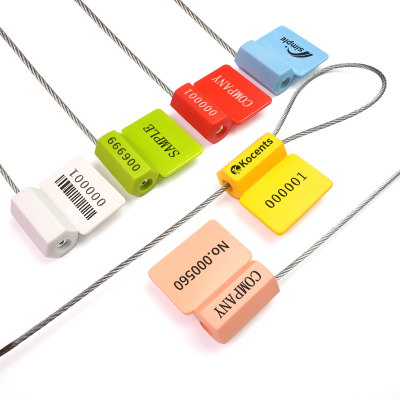
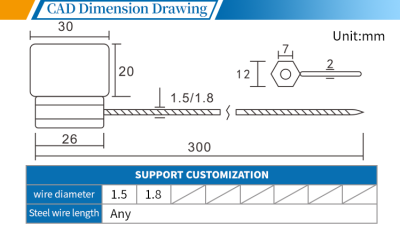
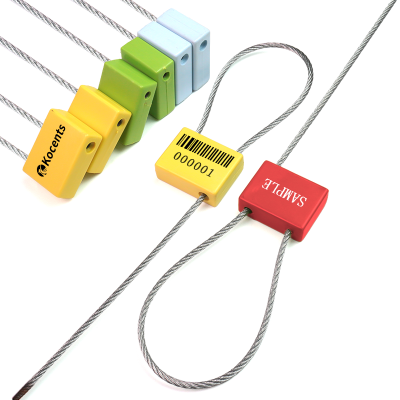
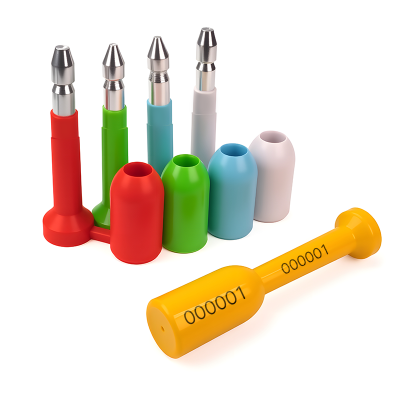
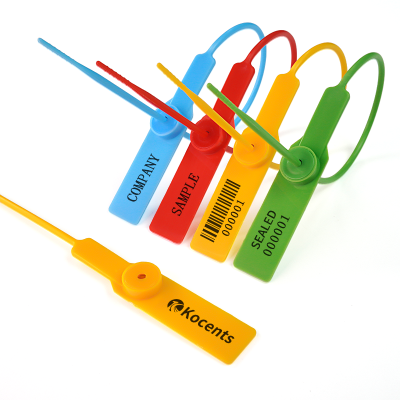
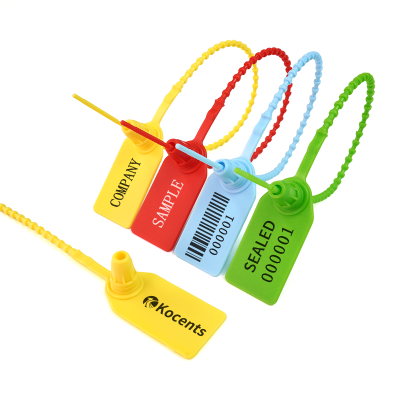
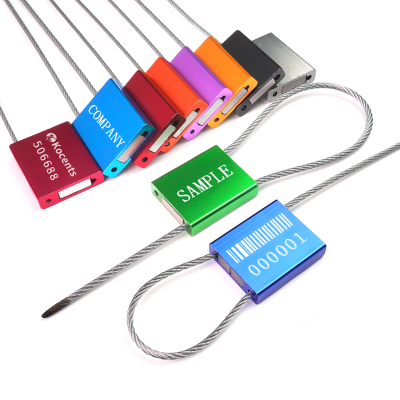
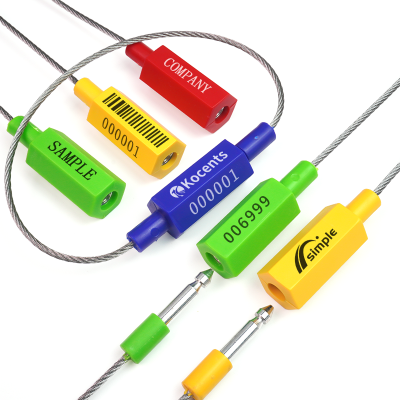
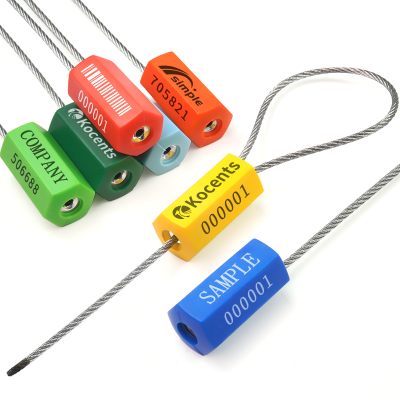
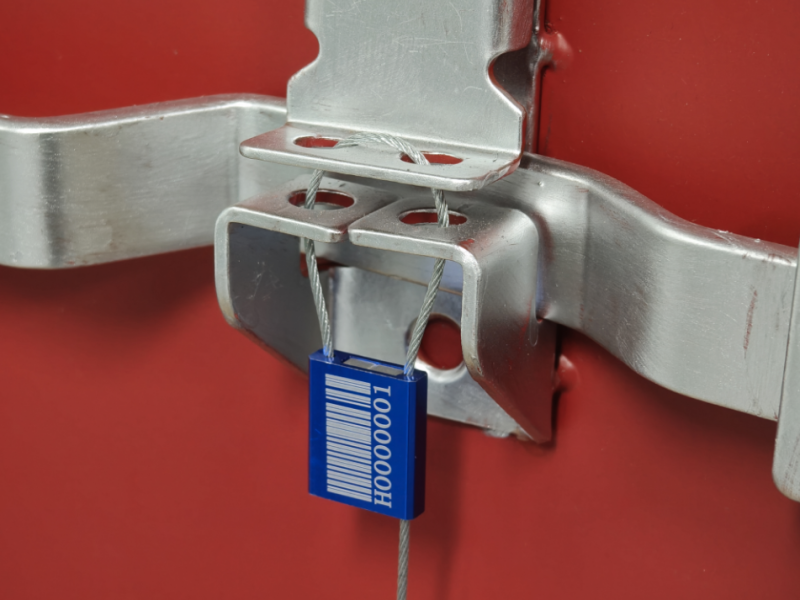
Kocents manufactures bolt seals, cable seals, plastic seals, RFID seals, padlock seals, meter seals, metal strap seals, and container lock seals under one quality system. Bolt seals meet ISO 17712 High Security certification standards. Cable seals feature A360 aluminum locking bodies with galvanized steel cable and laser-printed serial numbers. Plastic and padlock seals support custom logos, barcodes, and sequential numbering for brand traceability.