

When “High Security” Isn’t: How to Verify the ISO 17712 Claim Behind a Security Seal
When “High Security” Isn’t: How to Verify the ISO 17712 Claim Behind a Security Seal
A customs broker in Rotterdam sends a short email on a Friday afternoon: the container is held, and the terminal wants the test documentation for the seal on the door. The seal itself looks right. Steel pin, printed body, a number that matches the bill of lading. Someone in the office pulls the purchase order and finds a line item that says “bolt seal, high security.” No model code. No report number. No class letter. The shipment sits for four days while three people try to reconstruct a paper trail that should have existed before the seal was ever crimped.
This is the quiet failure mode in container security. Not a broken seal, but a seal whose paperwork cannot survive a question. Buying teams specify “ISO 17712 high security” and then accept a catalog line, a logo on a carton, or a certificate naming a different product than the one in the box. The seal passes inspection. The documentation does not.
Checking the claim takes specificity, not expertise.
What ISO 17712:2013 Actually Classifies
ISO 17712 is the international standard for the classification, acceptance, and withdrawal of mechanical freight container seals. The edition in force is ISO 17712:2013, confirmed again during its 2023 systematic review, and it remains the version customs programs reference.
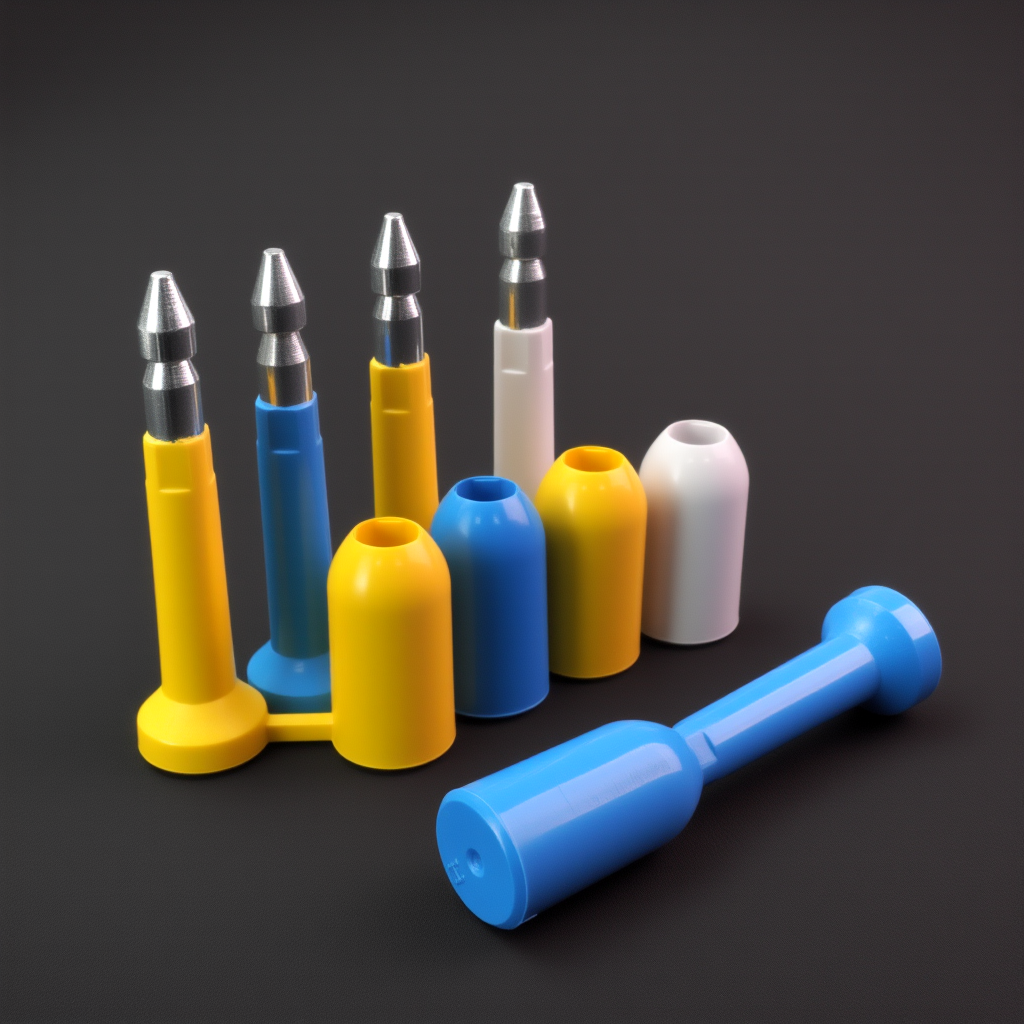
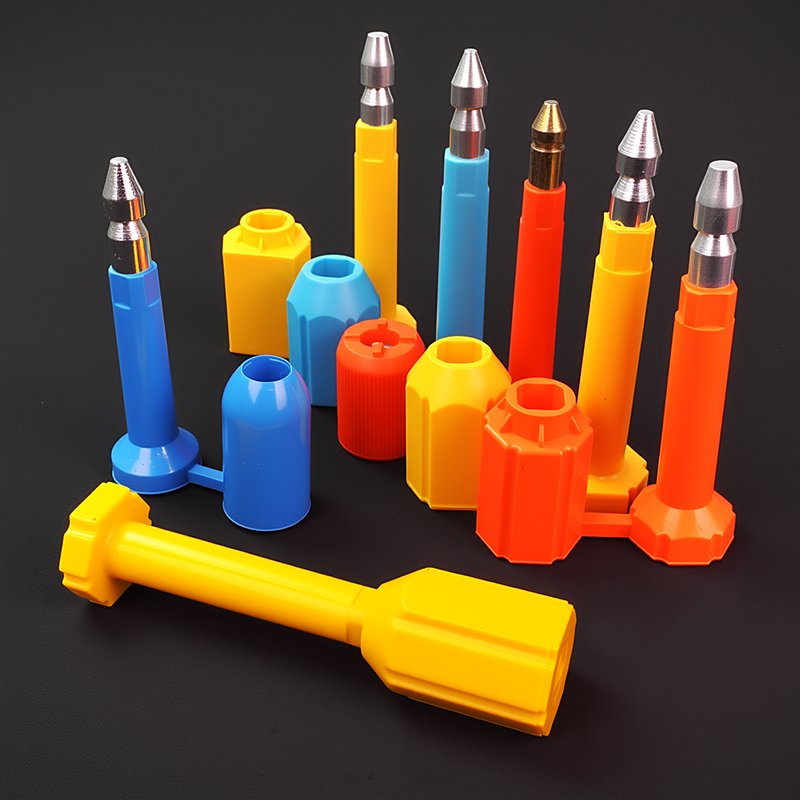
The standard sorts seals into three classes. Class I (Indicative) proves that a closure was opened, with little mechanical resistance. Class S (Security) raises the physical threshold and typically requires a cutting tool to defeat. Class H (High Security) is the top tier, tested against tensile, shear, bending, and impact attack in a laboratory accredited to ISO/IEC 17025.
The point buyers miss: the classification attaches to a product model and a manufacturing source, not to a brand or a factory address. A supplier can hold a valid H-class report for a 2020 bolt seal and ship you a redesigned 2026 body with a different pin alloy under the same name. The report is real. The claim is stale.
The Three Documents Buyers Keep Confusing
Nearly every documentation dispute we see comes from treating three separate documents as interchangeable.
A test report is issued by an accredited laboratory for a specific model. It names the class, the test standard and edition, the measured values, and the laboratory’s accreditation. This is the document a validator wants to see.
A declaration of conformity is the manufacturer’s own statement that a product conforms to a standard. It is useful as a cover sheet. On its own it proves nothing, because the manufacturer is grading its own work.
A process audit report or certification letter covers factory controls: serial number allocation, destruction of rejects, prevention of duplicate numbering. Programs aligned with C-TPAT ask for it, because a strong seal with uncontrolled numbering is a counterfeit waiting to happen.
Ask for all three and read them as a set. If a supplier can only produce one, you know which questions to keep asking.
Nine Fields to Check on a Test Report
A legitimate report is verifiable in about ten minutes. Work through these fields in order.
- Model match. The product code and, where present, the product photo must match the seal you are buying, not a sister product.
- Class letter. The report must state H, S, or I explicitly. The words “meets ISO 17712” without a class are not a classification.
- Standard edition. ISO 17712:2013, not the withdrawn 2010 edition.
- Laboratory identity and accreditation. A named lab with an ISO/IEC 17025 scope covering mechanical seal testing.
- Report number and date. Both, so the document can be checked with the lab.
- Measured values. Tensile, shear, bending, and impact results, not just a pass stamp.
- Applicant identity. The entity on the report should be traceable to your supplier, or explained in writing.
- Manufacturing site. A report for a model built in one plant does not automatically cover the same model built elsewhere.
- Change history. Ask whether the body, pin material, or locking mechanism changed after the report date. A redesign usually requires retesting.
A supplier who answers all nine without hesitation understands its own documentation. That is a useful signal.
The Red Flags That Show Up Most Often
The most common problem is a catalog-level claim. A full product line is described as ISO 17712 high security because one model in the range was tested. Ask for the model-specific report and the claim usually narrows.
The second is a seal that cannot physically qualify. Plastic pull-tight seals, meter seals, and light wire seals are tamper-evident devices. They are Class I by design. A plastic seal marketed as high security is a marketing error or a deliberate one, and either way it will not satisfy a container closure requirement.
The third is numbering without control. If two cartons in the same shipment carry overlapping serial ranges, or the same number turns up on seals from two different purchase orders, the numbering system has a hole. Duplicate numbers defeat the point of a seal.
The fourth is electronics standing in for mechanics. A passive UHF RFID seal is a mechanical seal with a chip. The mechanical portion needs ISO 17712 classification; the electronic portion is covered separately by the ISO 18185 family for electronic seals. A GPS or RFID device with an untested locking mechanism does not become compliant because it transmits data.
Which Seal Families Can Legitimately Hold an H Rating
Class is a test result, so any product can be submitted. In practice, the eight families in a typical program sort like this.
| Seal family | Typical ISO 17712 class | What to confirm |
|---|---|---|
| Bolt Seal | H | Model-specific report, pin diameter and shear values |
| Cable Seal | S, H at heavy gauge | Cable diameter, report for the exact model |
| Metal Strap Seal | S, occasionally H | Strap width and locking mechanism tested together |
| Container Lock Seal | Varies by design | Whether the locking body itself was tested |
| Padlock Seal | Rarely classified | Treated as a supplementary device, not a container seal |
| RFID Seal | Follows its mechanical core | ISO 17712 for the body, ISO 18185 for the electronics |
| Plastic Seal | I | Tamper evidence only, never a closure requirement |
| Meter Seal | I | Utility tamper evidence, not freight security |
Read the table as a starting question, not a verdict. A supplier with an H-class cable seal should be able to show the gauge and the report in the same email. A supplier who cannot say which of the eight families their product belongs to has not read the standard.
What Validators Actually Ask For
C-TPAT style validation and AEO audits rarely begin with the seal. They begin with the procedure that governs it: who holds seal inventory, how numbers are issued and logged, who may apply a seal, what happens to a broken seal, and how a discrepancy is escalated.
The documentary side is narrower than people assume. For loaded containers moving to the United States, sealing with a device meeting ISO 17712 has been a legal requirement rather than a voluntary best practice since October 2008, under the SAFE Port Act amendments to Title 6 of the U.S. Code. Programs layer their own criteria on top, which is where the H-class expectation for container and trailer closures comes from.
Your file should hold four things for every seal model in use: the model-specific test report, the manufacturer’s process audit documentation, the purchase specification naming the class, and the seal control log showing issue and application. An auditor who finds all four stops asking questions. An auditor who finds a catalog page keeps digging.
How to Write a Specification That Forces the Truth
Most bad seals enter a supply chain through a vague specification. Tighten four clauses and the problem largely disappears.
Require the class letter in the specification line, not in the general description: “Bolt seal, ISO 17712:2013 Class H, model code required.”
Require the documentation package with the first shipment: test report number, issuing laboratory, report date, and audit certificate reference. Put it in the purchase order terms so it is a delivery obligation rather than a favor.
Require change notification. Any alteration to body geometry, pin material, or locking mechanism must be disclosed before shipment, with retest evidence where the change affects the tested configuration.
Require serial range control. State that number ranges are allocated per order and that no range will be reused within a defined period. This single clause closes the most common counterfeiting route.
None of these clauses cost anything at the negotiation table. They cost a great deal to add after a container has been held.
A Twenty-Minute Verification Routine at Receiving
Documentation can be perfect while the physical shipment is wrong, so close the loop at the dock.
Match the carton label model code against the purchase order, then against the report. Open one carton and compare the seal to the product photo in the report: body shape, marking layout, pin finish. Confirm the class letter is marked on the seal body itself, not only printed on the bag. Check that serial numbers run consecutively across cartons with no gaps at range boundaries. Pull two seals at random and confirm the pin seats fully and cannot be withdrawn by hand.
File the results with the shipment record. If a hold or a claim arrives later, that page turns a suspicion into a documented control.
FAQ: Verifying Security Seal Compliance
Is ISO 17712 a certificate? No. It is a classification and testing standard. The certificate or declaration of conformity is a separate document that points back to test results for a specific model.
Can a cable seal be high security? Yes, at heavier cable gauges and with a tested locking body. Many operations use H-class cable seals where a rigid bolt will not pass through the hardware. Confirm the class on the report rather than inferring it from cable thickness.
Does an RFID seal satisfy ISO 17712? Only if the mechanical locking portion of that specific model has been tested and classified. Electronic seal functions are addressed by the ISO 18185 series, a different scope.
How old can a test report be? There is no universal expiry date, but a report should reflect the product as currently manufactured. Ask for the report date and for confirmation that no design or material change has occurred since. Reports predating a major redesign deserve a fresh question.
Do all eight seal families need a class? No. Class I devices such as plastic and meter seals serve tamper evidence, not barrier resistance. The classification matters where a program or customs authority ties a closure requirement to it.
Put the Paperwork Behind the Seal
A seal is a small piece of hardware carrying a large evidentiary burden. The class letter, the report number, and the serial log are what make that burden stand up when a terminal, an auditor, or an insurer asks. Explore our bolt seal and cable seal collections to see which models carry H-class classification, and check our guide on reading seal test documentation for deeper insights. Contact our team to learn more about the documentation package that ships with each order. Subscribe to our newsletter for more logistics security insights.
ISO 17712 high security seal, ISO 17712 certificate verification, ISO 17712 compliant seal, high security bolt seal, cable seal ISO 17712, container seal certification, C-TPAT seal requirements, AEO supply chain security, counterfeit security seals, RFID seal ISO 18185, seal test report
Written by: Kocents Engineering Team Updated: November 2026 Reviewed by: Kocents Quality Assurance
Kocents is an ISO 17712-certified security seal manufacturer specializing in bolt seals, cable seals, plastic seals, RFID seals, padlock seals, meter seals, metal strap seals, and container lock seals for global logistics and supply chain security.
Standards & References: ISO 17712:2013 (High Security Seal Classification), C-TPAT Minimum Security Criteria for Container Sealing, AEO Supply Chain Security Guidelines, TAPA FSR Physical Security Requirements.